11 Tips for Installing Fiber-Optic Cable at Home or Work
Fiber-optic cable is becoming pretty standard these days. Fast speeds, handles a lot of devices, works well for both homes and small businesses. In 2026, more neighborhoods are getting it, partly because of federal programs like BEAD that push high-speed internet into more areas.
If you're thinking about running fiber—whether you're doing it yourself or just want to understand what the installers are doing—there are some things worth knowing ahead of time. This isn't a technical manual. Just practical stuff that saves you headaches later.
Before you do anything
Call your local phone company. Ask if fiber is available at your address and where the nearest distribution box is. Ideally, it's within a few hundred feet of your building. Also make sure you're on the right service plan. Do this early.
And before you buy anything else — make sure you have the right cable for the job. Not all fiber-optic cable is the same. Whether you're running cable indoors, outdoors, or through conduit, you need the right specs. Stanford Optics supplies high-quality fiber-optic cable for homes and businesses. Reach out to us for recommendations and pricing.
How the installation usually goes
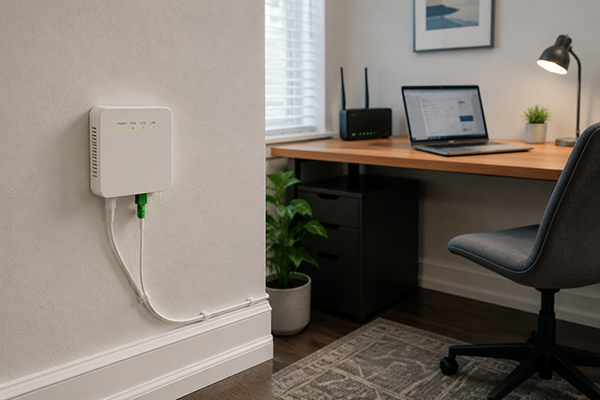
The phone company sends a technician to run cable from the distribution box to your property. It ends at an optical network terminal mounted on the outside of your building. That terminal feeds all the fiber lines inside.
You'll want to look at your floor plan. Mark where you need connections—computers, TVs, phones. Some older devices don't work with fiber. You might need to upgrade.
If cables need to go through walls or ceilings, clear the area first. You may need a contractor to open things up safely.
The technician then pulls fiber from the terminal through protective conduits. Most conduit runs stay under 100 feet with no more than two right-angle bends.
Once the cable is in place, test the connection immediately. Before you close up walls. This is one of those things people skip and then regret.
1. Plan your route carefully
Sketch it out. Avoid high-traffic areas and spots where the cable might get hit or crushed. A lot of people leave cable exposed without protection. If you can't avoid exposure, add raceways or extra conduit. Keep conduit runs short and limit 90-degree turns.
2. Support the cable
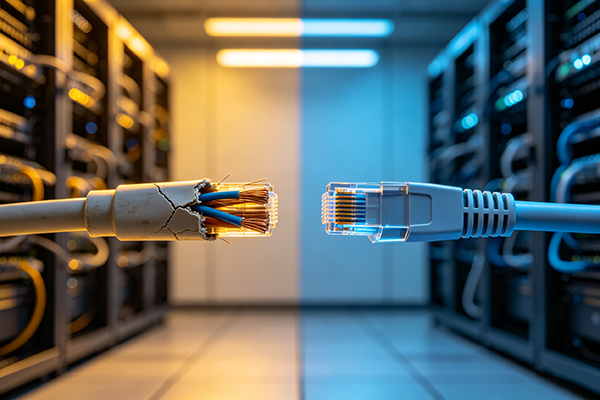
Don't let it hang loose or press against sharp edges. Use proper supports. Most cable damage happens because people skip this step.
3. Don't overbend
Fiber has a minimum bend radius—about ten times the cable thickness. Force a tight kink and you'll kill your signal. Use gentle curves.
4. Check conduit for sharp edges
Before pulling cable, run your finger inside the conduit. File down any rough spots. Flexible conduit is better for avoiding cuts.
5. Watch your pulling force
Every cable has a maximum tensile strength. Check the spec. Pull gently. Use lubricant if needed. Over-pulling breaks cables.
6. Be careful with storage and handling
Don't use tight plastic zip ties. They crush fibers. Use soft hook-and-loop straps instead. Keep spare cable away from heavy pressure.
7. Respect vertical rise limits
Cables have a maximum vertical rise rating. If a cable is rated for 200 feet vertically, you need supports within that limit. Ignore this and the cable will sag and fail over time.
8. Manage tension on long pulls
Long pulls put strain on sections of cable, especially vertical ones. If you're pulling downward, start at the top so weight spreads evenly. Don't try to pull a very long length all at once. Break it into smaller pulls.
9. Check local building codes
Different areas have different rules about fire safety and cable installation. Check before you start. Skipping this means redoing work later.
10. Review safety basics
Fiber installation can involve chemicals, splicing tools, sparks. Get the right gear—gloves, safety glasses. Don't rush.
11. Hire a pro if you're not experienced
If you haven't worked with fiber before, get someone who has. Good installers work faster and avoid hidden mistakes. Stanford Optics is a supplier a lot of pros use.
Final thoughts
Follow these and you'll avoid most of the common problems. Whether you're doing a home setup or wiring a business, paying attention during planning, pulling, and testing makes all the difference. A clean install isn't just about getting it working today—it's about not having to fix it next year.