
What Does RoHS Mean to Ethernet Cable?
Introduction
RoHS stands for Restriction of Hazardous Substances. When you see an Ethernet cable labeled as RoHS compliant, it means the manufacturer has taken steps to limit or even eliminate certain harmful substances during production. The standard started in the European Union as Directive 2002/95/EC (often called RoHS 1), which took effect back in July 2006. Since then, it's been updated—RoHS 2 came out in 2011 and was enforced in 2013, and there was another tweak in 2017 that mostly clarified rules on phthalates. What this means in practice: any Ethernet cable or related electronic equipment sold in the EU has to follow these rules. Manufacturers have had to rethink everything from the wiring to the connectors. That's ultimately better for the environment—and for the people making and using these products.
Those Affected by RoHS
If you sell or distribute electronic products—Ethernet cables included—into EU markets, you have to comply with RoHS. That's not just the big manufacturers; it hits smaller suppliers and even companies that just assemble components and sub-assemblies. One mistake I see all the time is not properly checking every supplier's source materials. If a cable ends up having even trace amounts of a restricted substance, the whole batch might get pulled for review or even recalled.
RoHS also casts a pretty wide net. It's not only about final products but also parts like metal plating, anodizing finishes, connectors, heatsinks—anything like that. I've seen it happen on production lines: one supplier's sloppy compliance documentation slows down everything. Small businesses especially tend to underestimate how much trouble a single non-compliant component can cause, both legally and environmentally.
The Hazardous Materials Mandated under RoHS
So what's actually banned?
RoHS is about removing hazardous materials from electronics. The original RoHS restricted six substances: lead, mercury, cadmium, hexavalent chromium, and two types of brominated flame retardants (PBB and PBDE). Then RoHS 2 added four phthalates—DEHP, BBP, DBP, and DIBP. So the full list you need to watch for is:
- Lead
- Mercury
- Cadmium
- Hexavalent chromium
- PBB (Polybrominated biphenyls)
- PBDE (Polybrominated diphenyl ethers)
- DEHP (Di-ethylhexyl phthalate)
- BBP (Benzyl butyl phthalate)
- DBP (Dibutyl phthalate)
- DIBP (Diisobutyl phthalate)
(Lead attacks the nervous system, cadmium builds up in kidneys, phthalates mess with hormones—you get the idea.)
These substances can be dangerous not just when products are used, but during manufacturing and recycling too. One thing I've run into more than once is residue left on production equipment when hazardous materials aren't handled right. Even after production wraps up, that residue can mean workers get exposed if safety practices aren't followed. Cutting out these substances isn't just about ticking a box—it genuinely makes workplaces safer and the environment cleaner.
The RoHS Compliance Testing Process
To check if products are compliant, inspectors use portable RoHS analyzers. These are basically X-ray fluorescence (XRF) devices that scan a product for restricted metals. You'll see these things all over production lines and warehouses. A common mistake is assuming that if the process looks clean, the product must be compliant—but you can't know without actually testing.
Here's something a lot of people get wrong, though. XRF is great for metals like lead and cadmium, but it can't detect phthalates (those four that got added in RoHS 2). For those, you need to do solvent extraction and then run the sample through something like GC-MS. It's an extra step, and it costs more, but companies that want to sell into Europe just eat the cost. I've seen production lines grind to a halt because a connector had a tiny amount of lead—and that's just the XRF scan. The phthalate testing adds another layer. A lot of manufacturers end up setting aside a dedicated lab section just for this.
Why This Is Significant to U.S. Residents
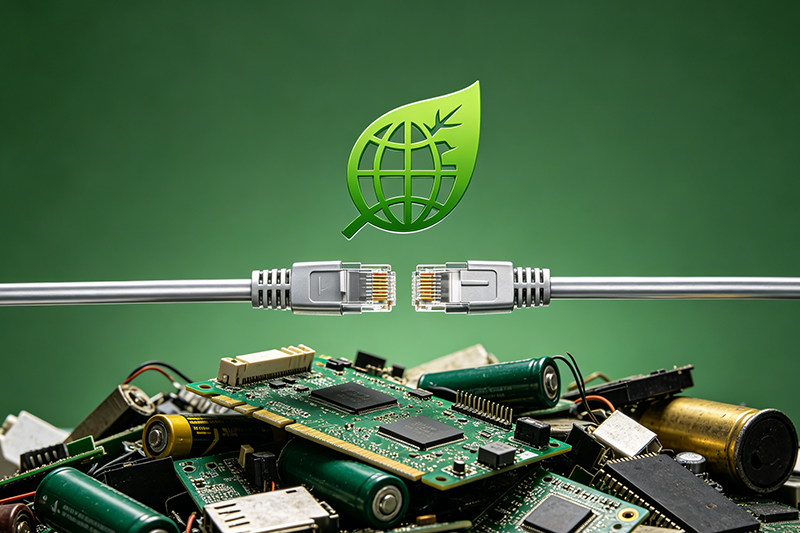
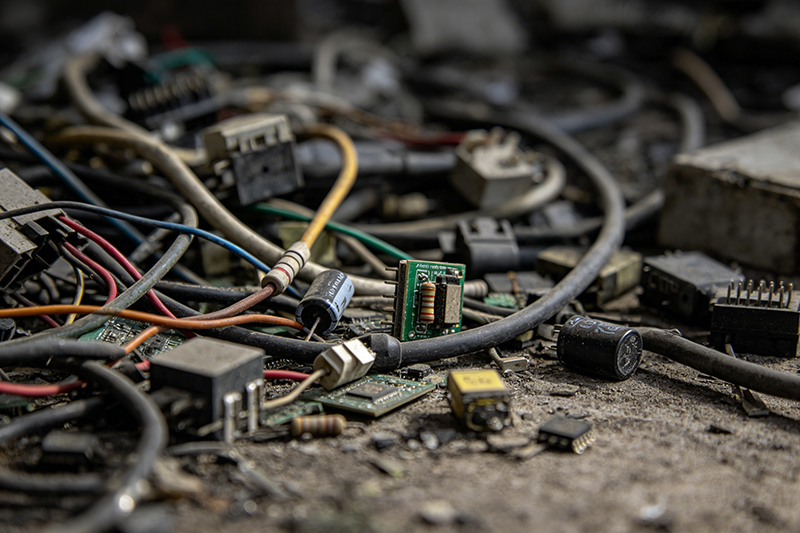
Even if you're in the United States, RoHS still matters to you. As old electronics get thrown out, they become high-tech trash. A lot of that older stuff—including old cables—still has lead, mercury, and other hazardous materials. When those end up in landfills, those substances can leach into soil and groundwater.
There's also the recycling angle. A ton of our e-waste gets shipped overseas for recycling, and in a lot of places, workers are dismantling it without proper protective gear. I've seen this firsthand—the push to recycle sometimes completely ignores worker safety. So even if you're buying RoHS-compliant cables here in the U.S., the old non-compliant stuff that's still floating around can end up affecting people in other countries, and eventually the environmental consequences circle back around.
Will the U.S. Adopt a Similar Standard?
The U.S. doesn't have a federal RoHS law. California is the closest—they've passed rules restricting lead, mercury, cadmium, and hexavalent chromium in certain electronics. It's a shorter list than what Europe requires, but if you're selling in both markets, you basically have to follow the stricter EU standard anyway.
In my experience, when California does something like this, other states tend to pay attention. A lot of U.S. manufacturers are already following RoHS guidelines voluntarily, just because it makes global distribution easier. And honestly, it's smart to think ahead. I've seen companies have to scrap entire batches because they didn't plan for stricter rules down the line. Future-proofing your production is just good business.
Conclusion
RoHS compliance for Ethernet cables isn't just about checking a regulatory box. It's a real commitment to making things safer and more sustainable. The directive has changed how the industry thinks about production and disposal—lead, cadmium, mercury, all those substances are now being managed more carefully, and manufacturers are paying more attention to their impact on workers and the environment.
For businesses, the takeaway is pretty simple: keep testing, avoid sketchy components, and find suppliers you can actually trust. One mistake can cause a whole cascade of problems—production stops, environmental damage, even international trade headaches. Compliance testing, whether it's XRF for metals or GC-MS for phthalates, is just part of doing business now.
Even in the U.S., where RoHS isn't mandatory nationwide, companies that follow these guidelines are setting themselves up for fewer headaches later. At Stanford Optics, we've built our whole approach around this—making sure every cable that leaves our facility actually meets RoHS standards, not just on paper but in practice. We do the XRF scans, we send out for phthalate testing when needed, and we vet our component suppliers like our reputation depends on it (because it does). If you're sourcing Ethernet cables and want to skip the compliance guesswork, give us a shot.
References
- EU Directive 2002/95/EC (RoHS 1) – the original
- EU Directive 2011/65/EU (RoHS 2) – added phthalates and expanded scope
- EU Directive (EU) 2017/2102 – technical adjustments, mostly around phthalates
- California Health and Safety Code, Section 25214.11 – restricted hazardous substances in electronics
- IEC 62321 series – testing methods for RoHS substances (XRF, GC-MS, etc.)