Plastic Optical Fiber vs. Glass Optical Fiber (POF): Key Differences & Selection Guide
Fiber optic technology has changed the way we communicate. It offers high bandwidth, low signal loss, and stands strong against interference. When building a network, you usually choose between glass optical fiber and plastic optical fiber. Both have unique properties that make them suitable for different tasks. With years of hands-on experience in engineering and testing materials, I will share clear insights to help you understand these differences. This paper lays out a straightforward comparison and real-world examples that can guide your fiber selection for various projects.
Core Comparison: Plastic Fiber vs Glass Fiber at a Glance
When comparing these two fibers, it helps to start with the basics. The table below sums up the key differences between glass and plastic fibers:
| Feature | Plastic Optical Fiber | Glass Optical Fiber |
|---|---|---|
| Core Material | Polymers such as Poly(methyl methacrylate) or Polystyrene | Ultra-pure silica glass |
| Cost | Lower cost in materials, installation, and maintenance | Higher expenses due to material, installation, and upkeep |
| Flexibility and Durability | Highly flexible; can handle bending and shock | Less flexible; may break if bent too sharply |
| Bandwidth | Limited; suited for lower data speeds | Extremely high; can handle data on the scale of terabits |
| Signal Attenuation | Higher loss, often around 100 plus decibels per kilometer | Very low loss, roughly around 0.2 decibels per kilometer |
| Transmission Distance | Best over short distances, typically up to 100 meters | Suitable for long distances, from several kilometers to over 100 kilometers |
| Temperature Tolerance | Moderate range; polymers may be affected by high temperatures | Works well over a wide temperature range (from about -40°C to +300°C) |
| Installation and Termination | Easier to install; uses standard connectors and is simpler to terminate | Requires careful handling, precision tools, and skilled labor |
| Primary Application Focus | Short-range systems, such as in-car networks, home use, and industrial controls | Critical, high-speed, long-haul networks like international telecom |
In-Depth Analysis: Plastic Optical Fiber
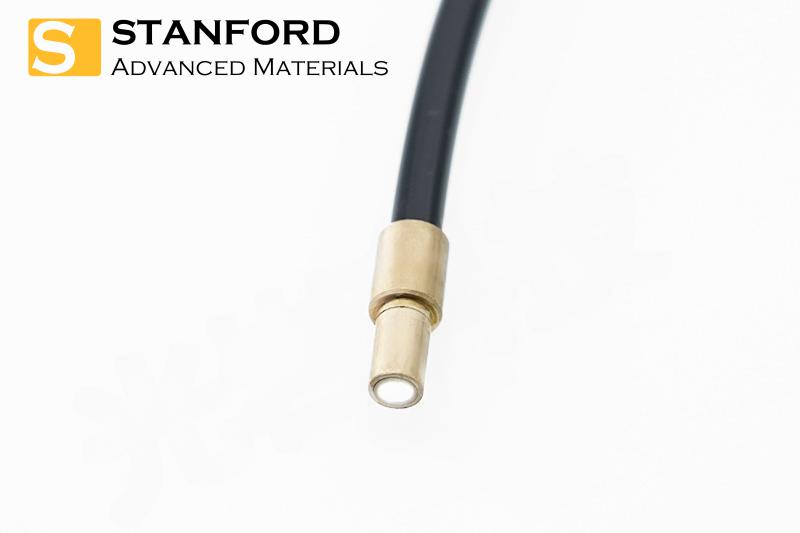
Plastic optical fiber uses a polymer core, typically made of materials like Poly(methyl methacrylate). Its larger core diameter makes it simpler to couple light into and out of the fiber. This design is welcoming to handier, rapid installations where utmost precision might not be possible.
Looking at the benefits:
- Cost-Effectiveness: Plastic optical fiber is far less expensive in terms of both materials and setup. In environments where ultra-high speed or very long transmission distances are not needed, it fits the bill perfectly.
- Ease of Installation and Durability: Its flexibility makes it resistant to breakage and allows it to be used in tight or moving spaces. Whether in a car, home network, or factory floor, this fiber adapts well.
- Safety: In the event of damage, plastic does not form dangerous shards like glass can.
However, the limitations are clear:
- Due to higher signal loss, plastic fiber is best for short-range applications — usually under 100 meters.
- It cannot support extremely high data rates over long distances.
- The material tends to suffer in very high-temperature conditions and can be affected by certain chemicals present in harsh industrial setups.
Plastic optical fiber finds its niche in automotive communication systems, short-distance home networks for audio or video, and industrial controls where the environment is not too extreme.
In-Depth Analysis: Glass Optical Fiber
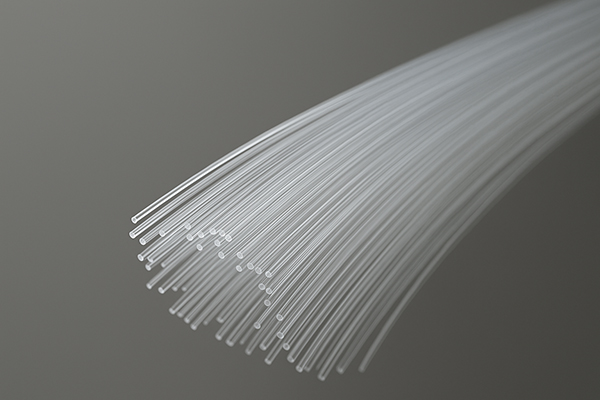
Glass optical fiber has been the standard in many communication networks for many years. Its working principle is simple yet elegant. Light travels through a thin glass core by total internal reflection. A cladding surrounds the core. This cladding has a lower refractive index, which keeps the light bouncing inside with very little loss.
Key advantages of glass optical fiber include:
- Superior Performance: Its ability to handle huge volumes of data makes it ideal for internet backbones, telecommunications, and high-performance computing.
- Long-Distance Transmission: Because the signal loss is so minimal, glass fiber can carry signals over very long distances.
- High Environmental Robustness: Whether it is extreme temperatures, moisture, or electromagnetic interference, glass fiber tends to remain effective even in harsh conditions.
However, glass fiber is not without its faults:
- It comes with a higher price tag. The cost of ultra-pure materials and the need for specialized tools and trained technicians can add up.
- Its glass strands are brittle. They require careful handling because bending them too much can lead to breakage.
- Installation demands precision. Joining the fibers, a process known as splicing, often needs expert skill.
In day-to-day applications, glass optical fiber is found in long-distance telecommunications, data center interconnections, medical imaging, and industrial setups that push the limits of temperature and environmental stress.
How to Choose Between Plastic and Glass Fiber
The decision between glass and plastic fiber is not a question of which is universally better, but rather which meets the needs of a particular application. Here are the three main factors to consider:
-
Performance Requirements
If you need to send massive amounts of data over long distances, such as in high-speed internet or international communications, glass optical fiber is often the best choice. Its low loss and high bandwidth are unmatched.
For short-range communication where data speed and distance are less pressing, plastic optical fiber often does the job well. It is ideal for simpler, less demanding setups. -
Budget Constraints
Glass optical fiber comes with higher costs in both initial investment and maintenance. Its precision installation means extra time and trained hands.
Plastic optical fiber, on the other hand, is much friendlier to the budget. Its lower cost makes it a preferred option for non-critical applications where there is little penalty for data limitations. -
Application Scenarios
When you look at the broader picture, glass optical fiber is the foundation of major networks such as those that form the internet backbone. Its use is prevalent among systems that require utmost reliability and performance.
Plastic optical fiber shines in more cost-sensitive areas, where everyday tasks and industrial controls are the priority. It serves well in automotive environments, home networks, and local installations that are not affected by long-haul transmission demands.
Conclusion
In our discussion today, we have seen that both glass and plastic optical fiber come with their unique sets of advantages and drawbacks. Glass optical fiber stands out when it comes to high bandwidth, low loss, and reliability over long distances. It is the standard for critical infrastructure and high-performance applications. However, these benefits come with a higher cost and the need for careful handling.
Plastic optical fiber, with its low cost and ease of use, offers a pragmatic solution for many everyday applications. It is especially useful in environments where the fiber must bend or fit into confined spaces, and where distances are short. Choosing the right fiber largely depends on what your project requires in terms of performance, environment, and budget.
If you are setting up a network or need guidance on which fiber to use for your specific needs, take the time to assess these factors carefully. With the right choice, your system will run smoothly and efficiently, whether you pick the excellent performance of glass optical fiber or the cost-effective simplicity of plastic optical fiber.
For dependable materials and professional advice, feel free to check with Stanford Optics, your trusted materials supplier.